
You can hardly scroll through a headline without running into yet another AI breakthrough. Artificial intelligence has become the subject of excitement usually reserved for global sporting events or the release of the next must‑have gadget. Every tech conference now devotes entire sessions to AI, business leaders invoke it to signal future growth and investors pour billions into whatever calls itself “AI‑powered.” It feels as though we are living through one of those rare inflection points in history; moment when the ground beneath us begins to shift….
But beneath the buzz and spectacle, a quieter question persists: are we really using AI in ways that matter, or are we simply captivated by the idea of it? Throughout history, technologies have impressed long before they transformed everyday life. Electricity, the steam engine, cars and the internet all dazzled as innovations long before they became woven into the fabric of ordinary existence. They didn’t change the world the moment they were invented; they changed it when people started using them in ways that became normal.
The Industrial Revolution began in Britain, yet it was the United States that carried that momentum into broader cultural transformation by reorganising life around machines. The printing press was invented in Germany, but it integrated fully into society in England and the Netherlands, shaping education, religion, commerce and government. It was adoption that sparked real change over invention.
We may be at a similar crossroads with AI today. The technology itself is impressive. The models are getting smarter and the tools are undeniably slick. Silicon Valley did its things alongside global research communities for building these capabilities. But what will define the next decade is not who built the first breakthrough but who embeds AI into culture and the ordinary rhythms of life.
Are People Actually Using AI?
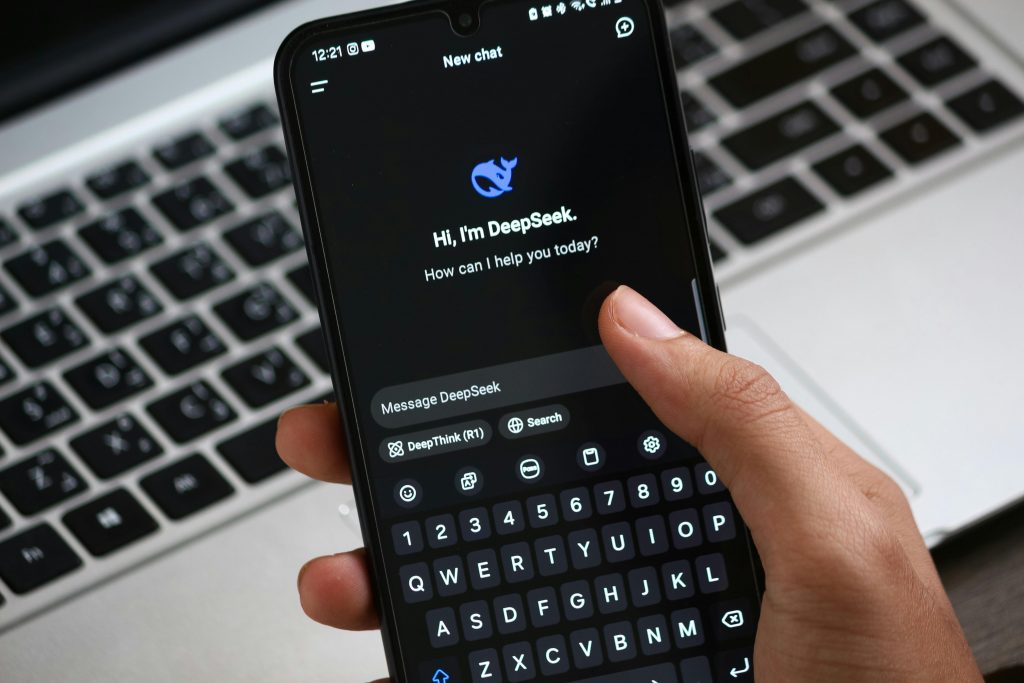
Here’s the paradox: despite dominating headlines, AI adoption remains more limited than it appears. Surveys show that only a relatively small fraction of professionals use AI tools regularly. Many organisations still describe their engagement with AI as experimental or sporadic. Even among students, a group that would be quick to embrace the new tech, interest often drops off after an initial trial with ChatGPT for assistant with assignments or life advice.
This early stage of engagement shows why comparisons to the internet feel premature. The internet reshaped the world because it became habitual; it changed how people banked, gained information, socialised, and built careers. AI has the potential to do the same, but only when it moves from novelty to routine use. Right now, we are still in the opening innings.
What It Means for Humanity
As someone who work in and genuinely enjoys tech, I appreciate tools that clarify thinking and accelerate progress. I enjoy the puzzle of a new system and the thrill of problem solving. Yet exploring AI also leads me to questions that feel deeper than innovation alone; questions more often associated with philosophy or faith.
What does it mean to be human in a world of machine intelligence? Which aspects of our experience can never be automated? Does consciousness matter in ways that computation can never replicate? Is the next step the digitalisation of the human experience?
AI might boost our efficiency but efficiency does not equal purpose. Tools can enhance our capabilities, but they should not define us. Without careful intention, we risk handing immense influence to systems before we’ve fully decided how we want to use them.
What Comes Next?
So is artificial intelligence the most transformational invention since the internet? It might be. The potential is vast however, the real challenge lies in adoption: who will integrate AI thoughtfully into everyday life? Who will teach communities, institutions, and individuals to use it wisely? Who will shape the human values that guide its application? And will their biases leak into the logic and experience of humans with the systems they create?
Innovation begins the story but adoption determines its impact. We are still early in our AI journey and what happens next depends on the choices we make about how deeply and responsibly we embrace this technology.