
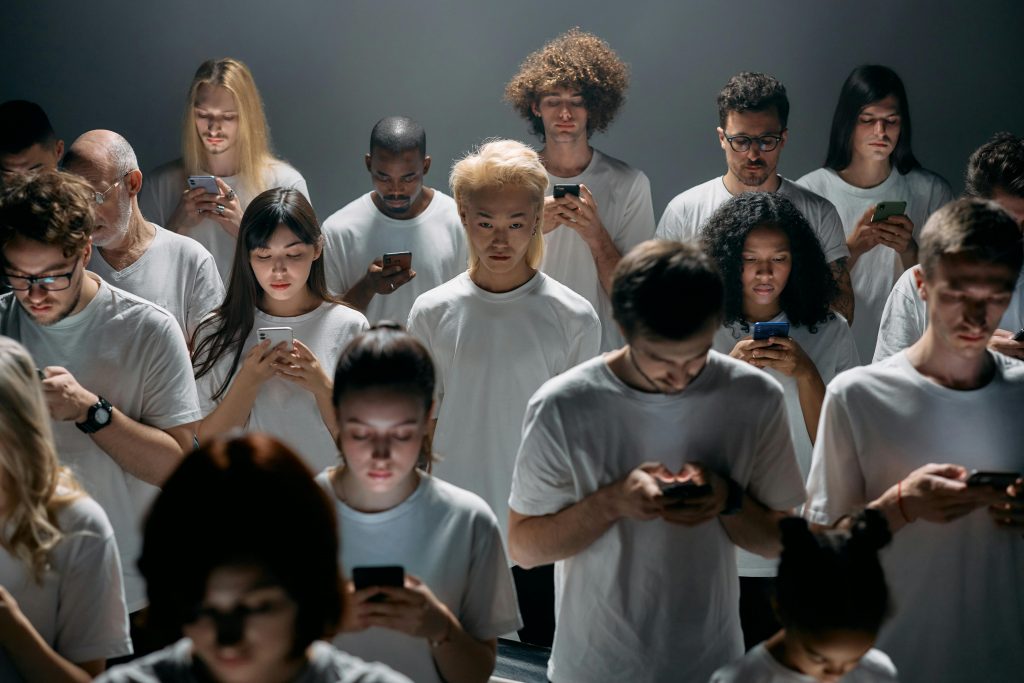
A teenager scrolls through their phone and within seconds, encounters breaking news, a scandalous viral video and a politically charged post shared thousands of times. But how much of it is true? In a digital world where misinformation spreads faster than facts and algorithms quietly shape what we see, young people are growing up on a battlefield of competing narratives. Media literacy is no longer a “nice-to-have” skill: it is a vital defence against manipulation and polarisation. If education systems fail to prioritise it, the next generation risks being shaped by the media they consume rather than empowered to question it.
Real vs Fake News in a Digital World
Young people now consume more news through social media than through traditional outlets. While this offers convenience and accessibility, it also opens the door to misinformation, manipulated content and highly partisan narratives. The challenge lies in spotting what is false and understanding how content can be framed, edited or selectively presented to influence opinion.
According to the 2022 Media Use and Attitudes Report by Ofcom, most 12–17 year-olds expressed confidence in their ability to distinguish real from fake content online. However, when tested using a simulated social media post, only 11% correctly identified the indicators that the post was genuine. This gap between confidence and competence highlights a clear need for structured education in critical media analysis.
If young people are navigating a polarised online space daily, why are comprehensive media literacy programmes not yet fully embedded within the UK national curriculum?
The Center for Media Literacy defines media literacy as a framework that enables individuals to access, analyse, evaluate, create and participate in messages across platforms from print to digital video. At its core, media literacy is about applying critical thinking to the symbols, narratives and messages that shape public discourse. It is a fundamental democratic skill.

The Influence of Social Media
Platforms such as Instagram, TikTok, X and YouTube have become primary news sources for younger audiences. This shift means that news is increasingly consumed in short-form, algorithmically curated formats designed for engagement rather than depth.
At the same time, technologies such as deepfakes, AI-generated imagery and sophisticated video editing tools have made it easier than ever to blur the line between authentic and fabricated content. A recent example involved a manipulated video of Canadian Prime Minister Justin Trudeau circulating online, demonstrating how convincingly public figures can be digitally altered. If world leaders can be convincingly misrepresented, it raises urgent questions about how easily young audiences can be misled.
The 2022 Digital News Report from the Reuters Institute for the Study of Journalism found that younger audiences tend to be more casual and less loyal news consumers. Their reliance on social platforms and weaker attachment to established news brands makes it harder for traditional media organisations to build trust and sustained engagement.
Recent global events have further complicated trust in media. During the COVID-19 pandemic, news consumption initially surged, but trust later declined. Controversies such as lockdown gatherings at Downing Street involving former Prime Minister Boris Johnson contributed to public frustration and news fatigue. Survey data revealed that nearly half of respondents reported actively avoiding news at least sometimes—a sharp rise compared with previous years.
When trust declines and avoidance increases, polarisation can deepen. Without the skills to assess information independently, young people may rely heavily on peer networks or algorithm-driven feeds that reinforce existing beliefs.
In an age of algorithms and constant information overload, media literacy is no longer optional. It is essential. Without the skills to question and evaluate what they consume, young people remain vulnerable to manipulation and polarisation. If we want a more informed and united society, media literacy must become a core part of education, not an afterthought.
 Tragic Death of Arise News Anchor Highlights Nigeria’s Insecurity Crisis: What Must Change